

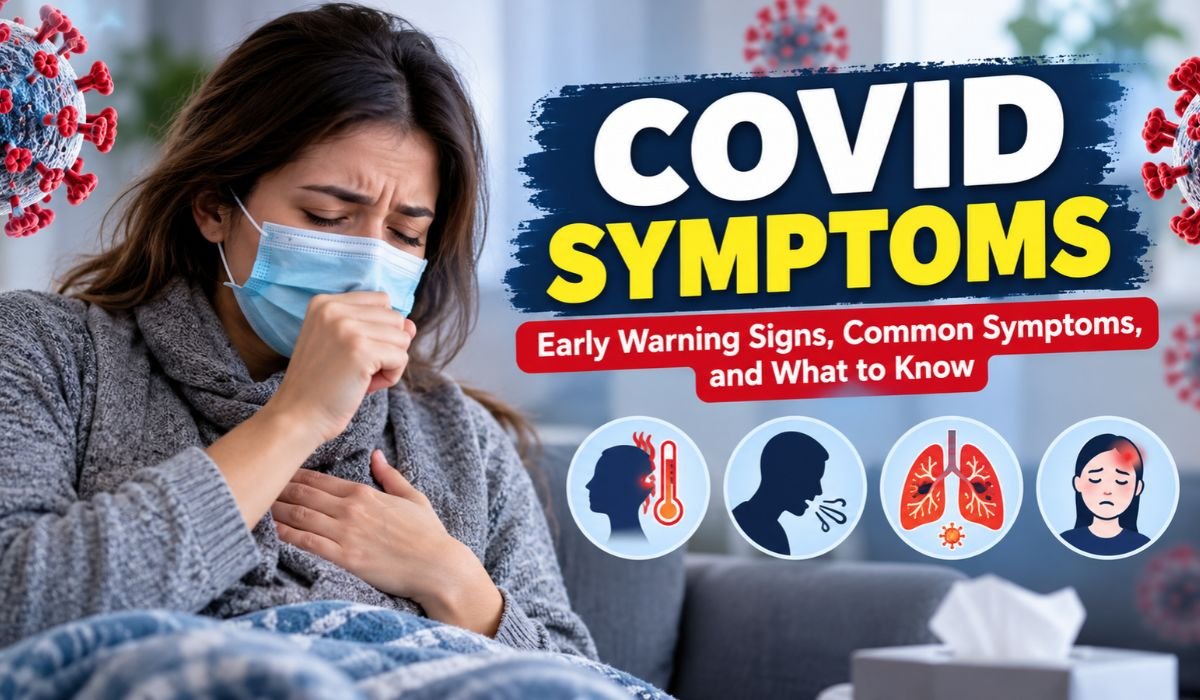
COVID Symptoms can look different from person to person. Some people experience a mild sore throat, tiredness, or a runny nose, while others develop fever, persistent coughing, or breathing difficulties. Because these symptoms often resemble the common cold or flu, recognizing COVID-19 isn’t always easy.
COVID-19 remains an important health concern in 2026, particularly for older adults, people with weakened immune systems, and those with certain medical conditions. Understanding the early warning signs can help you make informed decisions about testing, treatment, and protecting others.
This guide explains common COVID Symptoms, how quickly they appear, what recovery may involve, and when medical attention is necessary. It also explores testing, prevention, and Long COVID using established public health guidance.
What Is COVID-19?
COVID-19 is an infectious disease caused by the SARS-CoV-2 coronavirus. It mainly affects the respiratory system, including the nose, throat, and lungs, although the infection can also affect other parts of the body.
The virus spreads primarily through infectious respiratory particles released when an infected person breathes, talks, coughs, or sneezes. Transmission is more likely in crowded indoor environments with poor ventilation.
COVID-19 affects people differently because immune responses, previous infections, vaccination history, age, and underlying health conditions vary. Someone may experience only mild congestion, while another person develops pneumonia or other serious complications.
Vaccination helps protect against severe illness, but vaccinated people can still become infected. Recognizing symptoms therefore remains useful for everyone.
COVID Symptoms Quick Information
A quick reference to the most important COVID-19 facts.
Disease Name
COVID-19
Causing Virus
SARS-CoV-2
Mainly Affects
Respiratory system
Incubation Period
2–14 days
Common Early Sign
Sore throat
Fever
Possible, not universal
Cough
Common symptom
Fatigue
Frequently reported
Headache
Possible symptom
Nasal Congestion
Possible symptom
Taste or Smell Changes
May occur
Digestive Symptoms
Nausea, diarrhea
Symptom-Free Infection
Possible
Diagnostic Tests
Antigen and PCR
Severe Warning Sign
Difficulty breathing
Higher-Risk Groups
Older or immunocompromised people
Treatment
Supportive care or antivirals
Long COVID
Symptoms lasting months
What Are the Most Common COVID Symptoms?
Common COVID Symptoms include fever, chills, cough, sore throat, nasal congestion, headache, fatigue, and muscle aches. Some people experience shortness of breath, changes in taste or smell, nausea, vomiting, or diarrhea.
A cough may begin mildly and become more noticeable over time. Fatigue can make ordinary activities feel unusually difficult, while headaches and muscle pain may resemble influenza symptoms.
Digestive problems are also possible. Although COVID-19 primarily affects the respiratory system, some people experience stomach discomfort or diarrhea, occasionally alongside few respiratory symptoms.
Not everyone develops every symptom. The type and severity of symptoms may also change with circulating variants. Most importantly, symptoms alone cannot confirm whether someone has COVID-19.
Early COVID Symptoms and First Warning Signs
Early COVID Symptoms may include a scratchy throat, unusual tiredness, headache, coughing, or a blocked nose. Fever can also develop, although some people never experience an elevated temperature.
There is no fixed order in which symptoms appear. One person may notice a sore throat first, while another begins feeling exhausted or develops chills.
Early symptoms are easily confused with allergies, colds, and influenza. A runny nose, for example, doesn’t automatically indicate COVID-19, but it shouldn’t rule out the possibility either.
Testing becomes especially important after a known exposure or when several symptoms develop together. People at increased risk of severe illness should contact a healthcare professional promptly rather than waiting for symptoms to become serious.
How Soon Do COVID Symptoms Appear After Exposure?
COVID Symptoms can appear between two and fourteen days after exposure, according to CDC guidance. However, many infections become symptomatic sooner, and incubation periods can vary with the virus variant.
The incubation period describes the time between becoming infected and developing noticeable symptoms.
A person may also spread COVID-19 before realizing they are sick. This is called presymptomatic transmission and helps explain why infections sometimes spread within households or workplaces before anyone notices an illness.
Some infected people never develop symptoms at all. Consequently, the absence of symptoms doesn’t necessarily mean someone cannot transmit the virus.
Mild vs. Severe COVID Symptoms
Mild COVID Symptoms commonly include sore throat, congestion, headache, fatigue, and coughing without serious breathing problems. Many people recover at home with rest, fluids, and appropriate symptom relief.
However, mild symptoms can sometimes progress, particularly in individuals with underlying health conditions.
Severe COVID-19 may involve pneumonia, low oxygen levels, or significant breathing difficulties. A person experiencing persistent chest pressure, new confusion, or difficulty staying awake needs immediate medical assessment.
Breathing difficulty can indicate a serious complication, but severe illness doesn’t always begin dramatically. Monitoring changes in symptoms is important, especially for people at higher risk.
COVID Symptoms in Adults and Children
Adults and children share many COVID Symptoms, including fever, coughing, sore throat, congestion, and fatigue. Children may also experience vomiting, diarrhea, or reduced appetite.
Young children cannot always describe headaches or body aches clearly. Parents may instead notice unusual irritability, tiredness, reduced drinking, or changes in normal activity.
Most children experience mild illness, but serious complications are possible. Difficulty breathing, dehydration, or unusual drowsiness requires prompt medical evaluation.
A rare inflammatory condition called multisystem inflammatory syndrome in children, or MIS-C, can occur after SARS-CoV-2 infection. Persistent fever accompanied by concerning symptoms such as abdominal pain, rash, or red eyes should receive medical attention.
COVID Symptoms in Older Adults and High-Risk People
Older adults and people with certain chronic illnesses face a greater risk of severe COVID-19. Conditions affecting the heart, lungs, kidneys, or immune system may increase vulnerability.
Symptoms in older adults sometimes appear differently. Alongside cough or fever, they may experience new confusion, weakness, reduced appetite, or a sudden decline in everyday functioning.
People receiving immune-suppressing treatments may also have difficulty fighting infections effectively.
Early medical advice is especially important for these groups because antiviral treatment can reduce the likelihood of serious complications when started within the recommended treatment window.
Can You Have COVID-19 Without Symptoms?
Yes, COVID-19 can occur without noticeable symptoms. This is known as an asymptomatic infection.
An asymptomatic person remains symptom-free throughout the infection, while a presymptomatic person develops symptoms later.
Both may transmit the virus to others, although the likelihood of transmission depends on several factors.
This distinction matters when someone has been exposed to an infected person but still feels healthy. Depending on the situation, testing and additional precautions may help reduce the risk of unknowingly spreading infection.
COVID Symptoms vs. Flu and Common Cold
COVID-19, influenza, and the common cold share many symptoms. All can cause coughing, sore throat, congestion, headaches, and fatigue.
Influenza often begins suddenly with fever and body aches, while colds commonly involve nasal symptoms. However, these patterns aren’t reliable enough to identify the infection.
Changes in taste or smell may occur with COVID-19, but they are not present in every case and can also occur with other illnesses.
The most dependable way to distinguish these infections is appropriate testing. Some molecular tests can identify both influenza and COVID-19 from the same sample.
When Should You Take a COVID-19 Test?
Testing is recommended when COVID Symptoms develop, particularly after a known exposure. Rapid antigen tests provide results quickly, while molecular tests, including PCR, are generally more sensitive.
A negative rapid test doesn’t always rule out infection, especially early in the illness. The FDA recommends repeating a negative antigen test after forty-eight hours. People with symptoms should generally obtain at least two negative antigen results, while those without symptoms should obtain three, spaced forty-eight hours apart.
A molecular test may be an alternative to repeat antigen testing. People at high risk should not delay seeking treatment advice while waiting for repeated results.
What to Do If You Experience COVID Symptoms
If COVID Symptoms develop, staying home and limiting contact with others can reduce transmission. Rest, adequate fluids, and monitoring your condition are sensible first steps.
CDC community guidance recommends returning to normal activities once symptoms have been improving overall and you have been fever-free without fever-reducing medication for at least twenty-four hours. Additional precautions, including masking and improved ventilation, are recommended for the following five days.
Local recommendations may differ, particularly in healthcare settings. Anyone whose symptoms worsen should seek medical advice.
COVID-19 Treatment and Recovery
Most people with mild COVID-19 recover without hospitalization. Rest, hydration, and suitable over-the-counter medicines may help relieve fever, headaches, and body aches.
People at increased risk of severe illness may qualify for prescription antiviral treatment. Options include nirmatrelvir with ritonavir, commonly known as Paxlovid, and remdesivir. Treatment generally must begin within five to seven days after symptoms start, depending on the medication.
A healthcare professional must assess eligibility, medication interactions, and relevant medical conditions. Antibiotics do not treat the COVID-19 virus itself.
Some people also experience COVID-19 rebound, when symptoms return after initial improvement. This can happen with or without antiviral treatment.
Emergency COVID Symptoms You Should Never Ignore
Certain COVID Symptoms require immediate medical attention. These include serious difficulty breathing, persistent chest pain or pressure, new confusion, inability to remain awake, and pale, gray, or bluish lips, skin, or nail beds.
These warning signs may indicate dangerous complications. Anyone experiencing them should receive emergency medical care immediately.
Other concerning symptoms, including dehydration, severe weakness, or a sudden deterioration after initial improvement, also deserve urgent assessment.
Do not wait for a positive COVID-19 test before seeking emergency treatment.
How Long Do COVID Symptoms Last?
COVID Symptoms may improve within several days, although complete recovery sometimes takes weeks. Duration depends on the individual’s health, infection severity, and other factors.
Fever and sore throat may disappear before fatigue or coughing. Some people experience lingering symptoms even after the acute infection has resolved.
Recovery isn’t always straightforward. Symptoms may temporarily improve and then return, making it important to pay attention to unexpected changes.
Persistent symptoms should be discussed with a healthcare professional, especially when they interfere with daily activities.
What Is Long COVID?
Long COVID refers to a chronic condition associated with SARS-CoV-2 infection that can last at least three months. It may follow mild, moderate, or severe COVID-19.
Common complaints include ongoing fatigue, difficulty concentrating, memory problems, dizziness, sleep disturbances, and shortness of breath. Some individuals experience worsening symptoms after physical or mental exertion.
Long COVID can affect everyday life, employment, and physical activity. Symptoms vary considerably, and there is no single test that diagnoses every case.
Medical evaluation can help identify possible causes, rule out other conditions, and guide individualized symptom management.
How to Reduce Your Risk of COVID-19
Preventing COVID-19 involves several protective measures working together. Vaccination remains important because it reduces the likelihood of severe illness, hospitalization, and death.
Improving indoor ventilation can reduce the concentration of infectious respiratory particles. Well-fitting masks offer additional protection, especially in crowded indoor settings.
Staying home when sick, practicing good hand hygiene, and taking appropriate precautions around vulnerable people can also reduce transmission.
People with weakened immune systems or other risk factors may benefit from additional prevention strategies recommended by their healthcare providers.
Final Thoughts on COVID Symptoms
Understanding COVID Symptoms helps people recognize possible infections, make informed testing decisions, and protect those around them. Although many infections remain mild, serious complications can occur, especially among vulnerable individuals.
The most important lesson is that COVID-19 doesn’t look the same in everyone. A sore throat, unusual fatigue, or persistent cough may be an early clue, but symptoms alone cannot confirm the infection.
As COVID-19 continues to circulate in 2026, reliable health information, appropriate testing, early treatment for eligible patients, and sensible prevention measures remain valuable.
Recognizing warning signs and knowing when to seek help can make a meaningful difference in protecting your health and the well-being of others.
FAQs About COVID Symptoms
What Are the First Signs of COVID-19?
Early COVID Symptoms may include a sore throat, headache, fatigue, cough, fever, or nasal congestion. Symptoms vary, and there is no universal first sign. Testing helps determine whether COVID-19 is responsible.
Can You Have COVID-19 Without a Fever?
Yes. Many people experience COVID-19 without developing a fever. A normal temperature doesn’t rule out infection, especially when other symptoms or recent exposure suggest COVID-19.
Is a Runny Nose a COVID Symptom?
Yes. A runny or blocked nose is a recognized COVID Symptom. However, allergies, influenza, and common colds can cause similar nasal complaints.
Can COVID-19 Cause Stomach Problems?
Yes. COVID-19 can cause nausea, vomiting, and diarrhea. These symptoms may occur alongside respiratory complaints or occasionally without obvious coughing or congestion.
How Long After Exposure Do Symptoms Appear?
Symptoms may appear between two and fourteen days after exposure, although many people develop symptoms earlier. The timing depends on the infection and individual circumstances.
How Can You Tell COVID-19 From the Flu?
COVID-19 and influenza share many symptoms, including fever, coughing, fatigue, and muscle aches. Symptoms alone cannot reliably distinguish them. Appropriate diagnostic testing provides a more dependable answer.
How Long Does COVID-19 Usually Last?
Many people recover from the acute illness within days to weeks. However, fatigue, coughing, and other symptoms may persist longer. Ongoing problems deserve medical evaluation.
When Should You Seek Medical Help for COVID Symptoms?
Contact a healthcare professional promptly if symptoms worsen or you have risk factors for severe illness. Seek emergency care immediately for serious breathing problems, persistent chest pressure, new confusion, or inability to stay awake.
Learn more and explore exciting content on: Lyzel Williams: Inside His Life, Art Career, and Marriage to Jill Scott
[…] Learn more and explore exciting content on: COVID Symptoms: Early Warning Signs, Common Symptoms, and What to Know […]